Address
Sayemrejo RT.01 RW.06 Sonorejo, Sukoharjo - 57523
Central Java - Indonesia
Work Hours
Monday to Friday: 8AM - 4PM
Weekend: 10AM - 5PM
Address
Sayemrejo RT.01 RW.06 Sonorejo, Sukoharjo - 57523
Central Java - Indonesia
Work Hours
Monday to Friday: 8AM - 4PM
Weekend: 10AM - 5PM

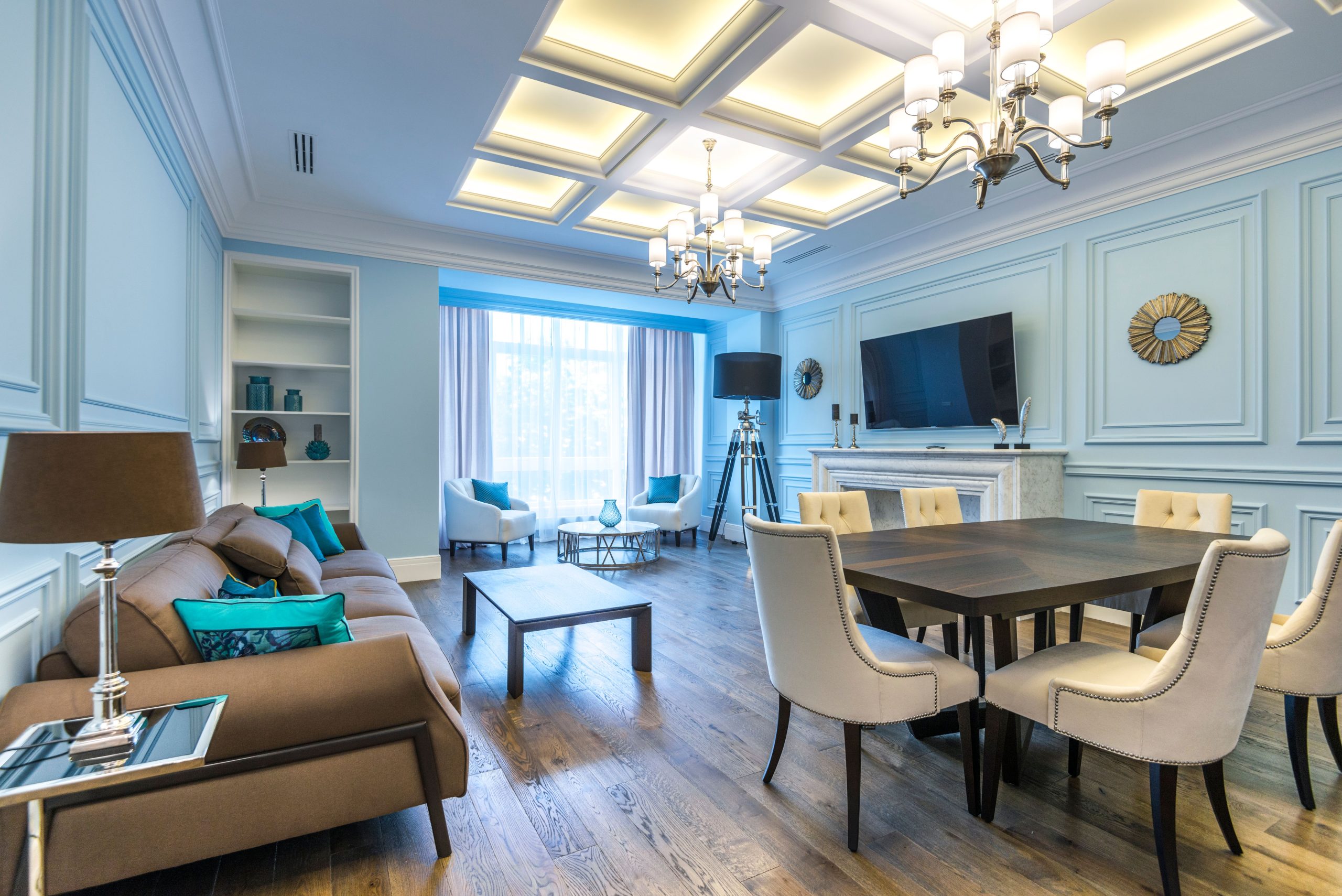
Furniture arrangement can dramatically change how a room looks and feels. Even high-quality furniture may not work well if it is placed without considering movement, proportions, and function. Here are seven techniques to create a more comfortable and balanced room.
Start by identifying the room’s focal point. It could be a television, fireplace, large window, artwork, or architectural feature. Arrange the main furniture so that it naturally faces or complements this focal point.
Leave enough space for people to move comfortably around the room. Avoid placing furniture directly in doorways or narrow passageways. A clear circulation path makes the room feel more spacious and functional.
Large furniture can overwhelm a small room, while very small furniture may look lost in a large space. Choose pieces that are proportional to the room and to one another.
In living rooms, arrange seating so people can comfortably communicate with each other. Sofas and chairs do not always need to face a television. A slightly angled arrangement can create a more welcoming social environment.
Placing every piece of furniture against the walls may seem like a way to create more space, but it can sometimes make the room feel disconnected. Depending on the room size, bringing some furniture slightly away from the walls can create a more balanced layout.
Rugs can help visually connect furniture and define specific areas. In an open-plan room, a rug can distinguish a living area from a dining or workspace area.
Distribute large and small furniture pieces throughout the room rather than concentrating everything on one side. Balance can be achieved through furniture size, color, shape, and visual weight.
A successful furniture arrangement should combine aesthetics with functionality. Before moving heavy furniture, consider the room’s purpose, traffic flow, proportions, and focal points.
